Dr. Fauzia Deeba, President

Dr. Fauzia Deeba, Physician, gender and development practitioner, and human rights activist from Quetta, Baluchistan, living in the U.S.A. since 2003. Dr Deeba focuses on outreach, advocacy, and coordination as her approach to addressing issues faced by Southasians* in North America. Besides her medical education, her toolbox is equipped with a Master’s in International Public Policy from Johns Hopkins University, USA, Human Rights training from University of Lund, Sweden, various other training courses, work experience in globally recognized organisations, including WHO, IUCN, Oxfam, JBIC and UNDP, as well as the ability to communicate in 6 languages. All her endeavours focus towards social equity and peace. Being a grandmother is her highest award.
Khushi Kabir
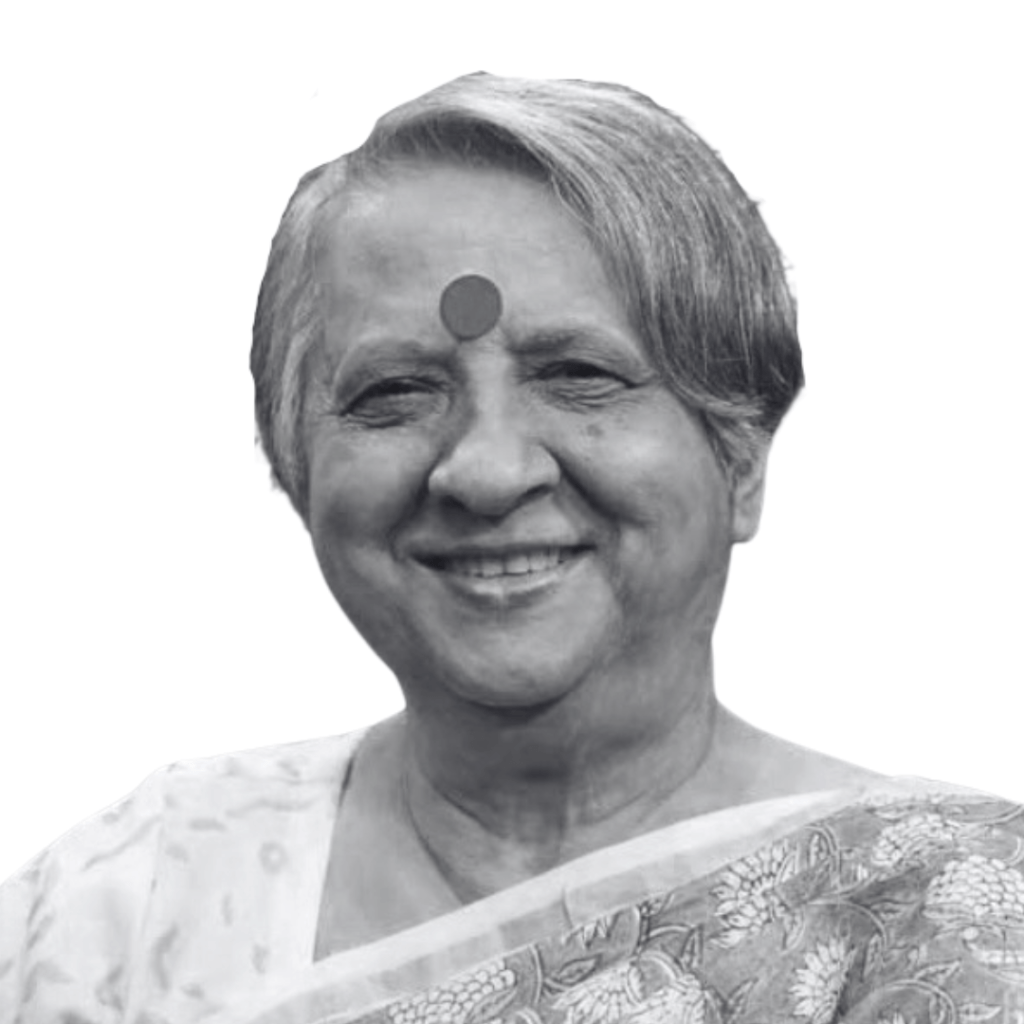
Khushi Kabir’s involvement with citizens’ rights began immediately after the liberation of Bangladesh in 1972, living and working in remote rural areas. In 1980, she joined Nijera Kori, a national-level nonprofit known for creating strong autonomous organizations of the rural poor to assert their rights and ensure their entitlements as citizens. Khushi Kabir is a feminist, rights activist, environmentalist, humanist, promoting rights of indigenous and other marginalized peoples – particularly in the area of land rights; environmental justice; food sovereignty; secularism, ensuring human dignity, democratic practices and accountability at all levels. She is active regionally and internationally in promoting a shared vision of peace, equality, and the elimination of all forms of violence (gender, ethnic, class, and belief-based).
Khawar Mumtaz
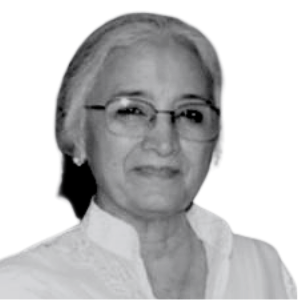
Khawar Mumtaz is a feminist activist and founder of the Women’s Action Forum, challenging gender discrimination since 1981. She was Chairperson of the National Commission on the Status of Women (2013-2019) and CEO of Shirkat Gah. She has researched women’s realities across areas such as political participation, work, health, the environment, and poverty. Believing in the separation of state and religion, she advocates peace and environmental justice and opposes discrimination. With an MA in International Relations, she served on academic and organisational Boards and was nominated for the Nobel Peace Prize in 2006. She also participates in feminist regional networks.
Mandira Nayar
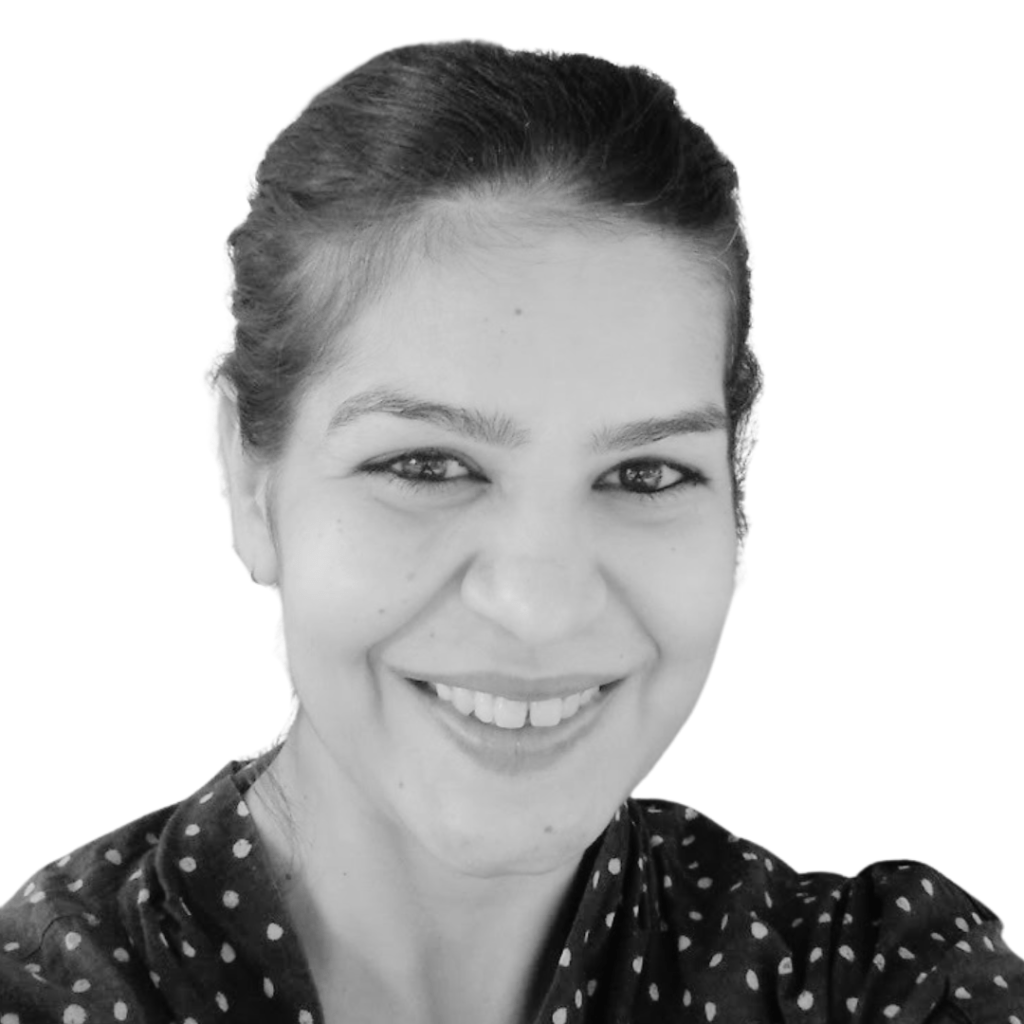
Mandira Nayar is a journalist with over two decades of experience reporting across Southasia. She writes on books, history, culture, foreign affairs, among other fields. Mandira was one of the first Indian magazine journalists to travel to Myanmar in 2012, when the junta opened the country for a brief window. Until recently, she was Deputy Chief of Bureau at The Week based in Delhi. A Charles Wallace scholar, she has been the chronicler of tiny details and people who are footnotes in history. She earlier worked for The Hindu and The Telegraph. She is a founding member of the Southasia Peace Action Network (Sapan).
Namrata Sharma
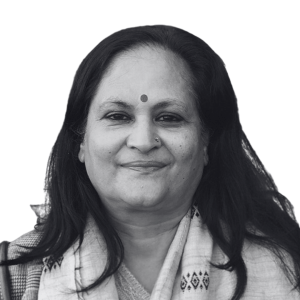
Namrata Sharma, a freelance journalist in Kathmandu with over 30 years’ experience, has worked in Nepal, the UK, Kenya, India, and Afghanistan. Her work, published globally, covers campaigns against Violence against women, sustainable development, microfinance, decentralization, life skills, and gender equality. She is a former President of the Center for Investigative Journalism (CIJ), Nepal, ex-Editor of Nariswor and The Independent. She has spoken at international events across Asia, North America, Europe, and Africa, and hosted microfinance workshops. She founded the Centre for Microfinance in Nepal, was the first Director of the Indian School of Microfinance for Women in Ahmedabad, and serves on various boards in Nepal and India. She coordinated a global Action Research project on Microfinance Impact Assessment for IDS, Sussex University, and HIV/AIDS with UNDP. A former Visiting Research Fellow at the University of Bath, she researched governance in Kenyan microfinance groups and led MicroSave India’s Knowledge Management and Training department.
Richard McGill Murphy, Treasurer
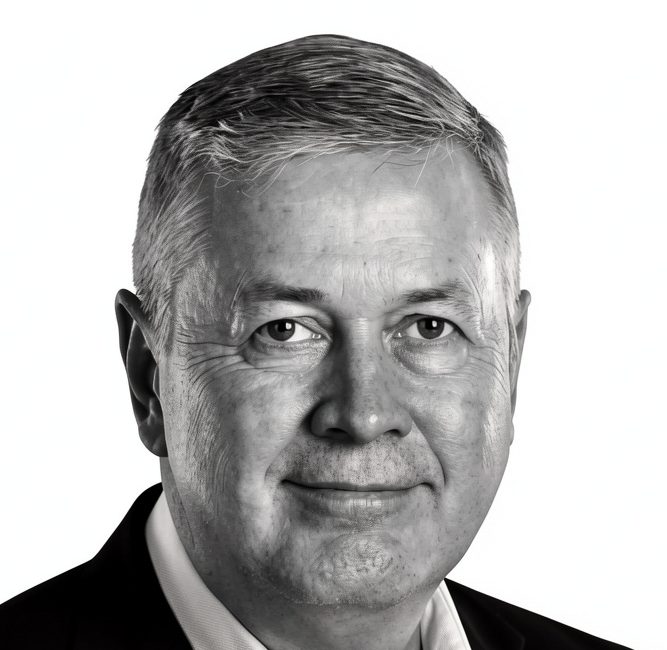
Richard McGill Murphy is founder and principal of Walled City, an advisory practice that helps growth companies build strategic narratives, thought leadership platforms, and durable public authority. He previously served as editor in chief and head of research innovation at
ServiceNow, where he built and led the company’s award-winning thought leadership research practice.
Earlier in his career, Murphy worked as a magazine editor, foreign correspondent, and press freedom advocate. His journalism and commentary have appeared in Fortune, The New York Times, The Wall Street Journal, BusinessWeek, CNN, NPR, VH1, and other outlets. He has reported widely on politics, conflict, human rights, and civil society, with a particular focus on Southasia.
Murphy studied literature at Harvard College. He earned a doctorate in social anthropology from Oxford University based on ethnographic fieldwork in Pakistan, where he was a Fulbright Scholar.
Beena Sarwar, Secretary

Beena Sarwar is a multi-media journalist, editor, and documentary filmmaker from Pakistan who focuses on human rights, gender, media, peace, extremism, violence, and Southasia. More
Contact: Info@sapanfoundation.com
*Why ‘Southasia’ as one word? Because our histories entangle, our struggles intersect, and our futures are bound together. It is not just a spelling choice, it’s a political and poetic one.
 Sapan Foundation